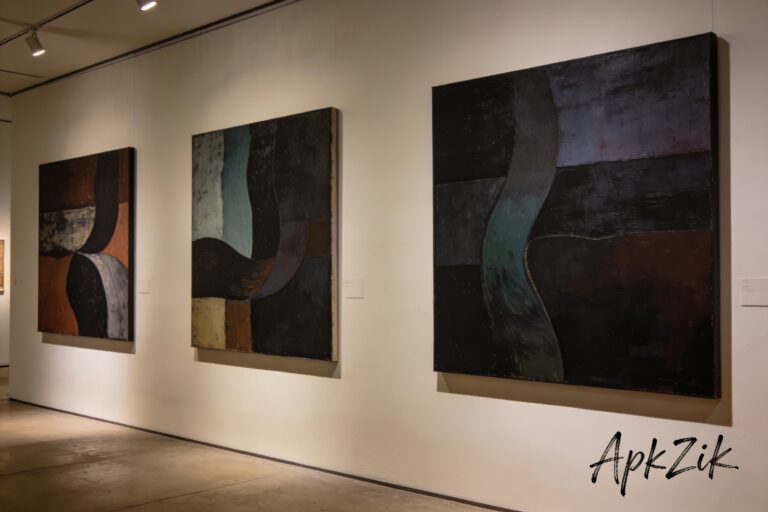
Soft Light Techniques for Artistic Photos
Soft light has a quiet magic. It smooths harsh edges, adds emotion, and brings a sense of calm to photographs. In today’s visually driven world—where homes, lifestyles, and personal creativity often blend together—soft lighting has become a favorite technique for artistic photos. Whether you are capturing a cozy corner of your home, a styled lifestyle…
Soft light has a quiet magic. It smooths harsh edges, adds emotion, and brings a sense of calm to photographs. In today’s visually driven world—where homes, lifestyles, and personal creativity often blend together—soft lighting has become a favorite technique for artistic photos. Whether you are capturing a cozy corner of your home, a styled lifestyle scene, or a creative portrait, soft light helps images feel natural, warm, and inviting.
This guide explores soft light techniques for artistic photos in a simple, practical way. You don’t need a studio or expensive tools. With a bit of understanding and creativity, anyone can create beautiful, professional-looking images at home or outdoors.
Understanding What Soft Light Really Is
Soft light is light that spreads gently across a subject. It reduces strong shadows and creates smooth transitions between light and dark areas. Unlike harsh direct light, soft light feels natural and easy on the eyes.
You often see soft light in lifestyle magazines, interior shoots, and artistic photography where mood matters more than sharp contrast. It works especially well for homes, everyday moments, and creative compositions.
Soft light usually comes from:
-
Cloudy skies
-
Window light filtered through curtains
-
Reflected or bounced light
-
Diffused artificial lighting
The reason soft light works so well is simple: it wraps around objects instead of hitting them aggressively. This makes textures, colors, and spaces feel more realistic and emotionally engaging.
Why Soft Light Is Perfect for Artistic Photography
Artistic photos are about feeling, not just detail. Soft light supports storytelling by creating atmosphere and depth without distraction.
Here’s why photographers and creatives love it:
-
It flatters spaces and people by minimizing harsh lines
-
It enhances textures like fabric, wood, and walls
-
It creates calm, timeless images
-
It works beautifully for both indoor and outdoor scenes
For lifestyle and visual arts content, soft light feels honest. It reflects how spaces and moments look in real life, not overly staged or dramatic.
Using Natural Light for Soft, Artistic Results
Natural light is the easiest and most budget-friendly way to achieve soft light techniques for artistic photos.
Window Light as Your Best Friend
A large window provides beautiful, directional soft light. Position your subject close to the window, but not in direct sunlight. Light coming from the side adds gentle shadows that create depth without harshness.
Sheer curtains help diffuse strong daylight, turning it into a smooth, even glow. This setup works perfectly for home décor shots, table styling, and lifestyle photography.
Why it works:
Filtered daylight spreads evenly and maintains natural colors, making photos feel calm and authentic.
Cloudy Days Are a Gift
Overcast weather acts like a giant diffuser in the sky. The clouds soften sunlight naturally, making outdoor photos look balanced and peaceful.
On cloudy days:
-
Colors appear richer without harsh highlights
-
Shadows stay light and subtle
-
Details remain visible without strong contrast
This is ideal for urban views, architectural details, and artistic outdoor scenes.
Creating Soft Light Indoors Without Expensive Gear
You don’t need studio equipment to create soft lighting at home. A few simple tricks can completely change how your photos look.
Diffusing Artificial Light
Harsh bulbs can be softened easily. Use:
-
White fabric
-
Lampshades
-
Frosted bulbs
-
Light bouncing off white walls or ceilings
Never aim a bare light directly at your subject. Instead, bounce it or diffuse it so the light spreads gently.
Why this matters:
Diffusion removes sharp shadows and creates a natural, welcoming look.
Using Reflective Surfaces
White walls, ceilings, or foam boards can reflect light back onto your subject. This fills in dark areas without adding another light source.
Budget-friendly reflectors include:
-
White cardboard
-
Poster boards
-
Light-colored bedsheets
This technique is especially useful for small spaces and rental homes where setup options are limited.
Soft Light Techniques That Add Artistic Depth
Soft light does not mean flat or boring. With the right approach, it can add depth and visual interest.
Side Lighting for Texture
Placing light at an angle rather than straight-on reveals texture. Soft side lighting highlights fabric folds, wood grain, and decorative details without harsh shadows.
This works beautifully for:
-
Interior styling
-
Still-life photography
-
Artistic lifestyle scenes
Why it works:
Texture gives photos a tactile, realistic feel that draws viewers in.
Backlighting for a Dreamy Effect
Soft backlighting creates a gentle glow around objects or people. When filtered properly, it adds mood without overpowering the image.
Use sheer curtains, frosted glass, or indirect light to soften backlighting. This technique is perfect for artistic portraits, plants near windows, or airy home scenes.
Common Mistakes That Ruin Soft Light Photos
Even soft light can go wrong if not handled carefully. Being aware of common mistakes helps you avoid frustration.
-
Placing subjects in direct sunlight without diffusion
-
Mixing warm and cool light sources without balance
-
Using too many lights, which removes depth
-
Ignoring shadows completely, making photos look flat
Soft light still needs direction. Always think about where light comes from and how it shapes the scene.
Modern Trends That Use Soft Light Beautifully
Soft lighting remains timeless, but modern creatives use it in fresh ways.
Popular current approaches include:
-
Minimalist interiors with natural daylight
-
Neutral color palettes enhanced by soft shadows
-
Calm lifestyle scenes that feel lived-in, not staged
-
Blending indoor and outdoor light for urban views
These trends focus on realism and emotion rather than perfection, making soft light techniques for artistic photos more relevant than ever.
Styling Tips That Enhance Soft Light
Lighting and styling work together. Even the best light can fall flat if the scene is cluttered or poorly styled.
To enhance soft light:
-
Use light, neutral colors that reflect light gently
-
Avoid shiny surfaces that create glare
-
Keep backgrounds clean and intentional
-
Add texture with fabric, plants, or natural materials
Why this helps:
Soft light highlights subtle details. Thoughtful styling ensures those details tell a story instead of creating distraction.
Practicing Soft Light at Home
The best way to master soft light is through observation and practice. Spend time watching how light changes throughout the day in your space.
Try this simple exercise:
-
Photograph the same corner in the morning, afternoon, and evening
-
Notice how shadows shift and soften
-
Adjust angles instead of adding more light
This builds confidence and helps you understand light naturally, without technical overwhelm.
Conclusion
Soft light techniques for artistic photos are about patience, observation, and intention. You don’t need expensive equipment or a professional studio to create beautiful images. By using natural light, diffusing artificial sources, and paying attention to angles and shadows, anyone can produce calm, expressive, and artistic photos.
Soft light adds emotion, depth, and realism—qualities that make images timeless. Whether you are capturing your home, lifestyle moments, or creative compositions, soft light helps tell your story gently and beautifully. Start experimenting with what you already have, trust your eye, and let light guide your creativity.
Frequently Asked Questions
Can soft light be used for all types of photography?
Yes, soft light works especially well for lifestyle, interior, portrait, and artistic photography where mood and realism matter.
What is the easiest soft light setup for beginners?
Window light with sheer curtains is the simplest and most effective starting point.
Does soft light mean no shadows at all?
No. Soft light creates gentle shadows that add depth without harsh contrast.
Can I achieve soft light with a phone camera?
Absolutely. Soft light improves photos on any camera, including smartphones, when used thoughtfully.