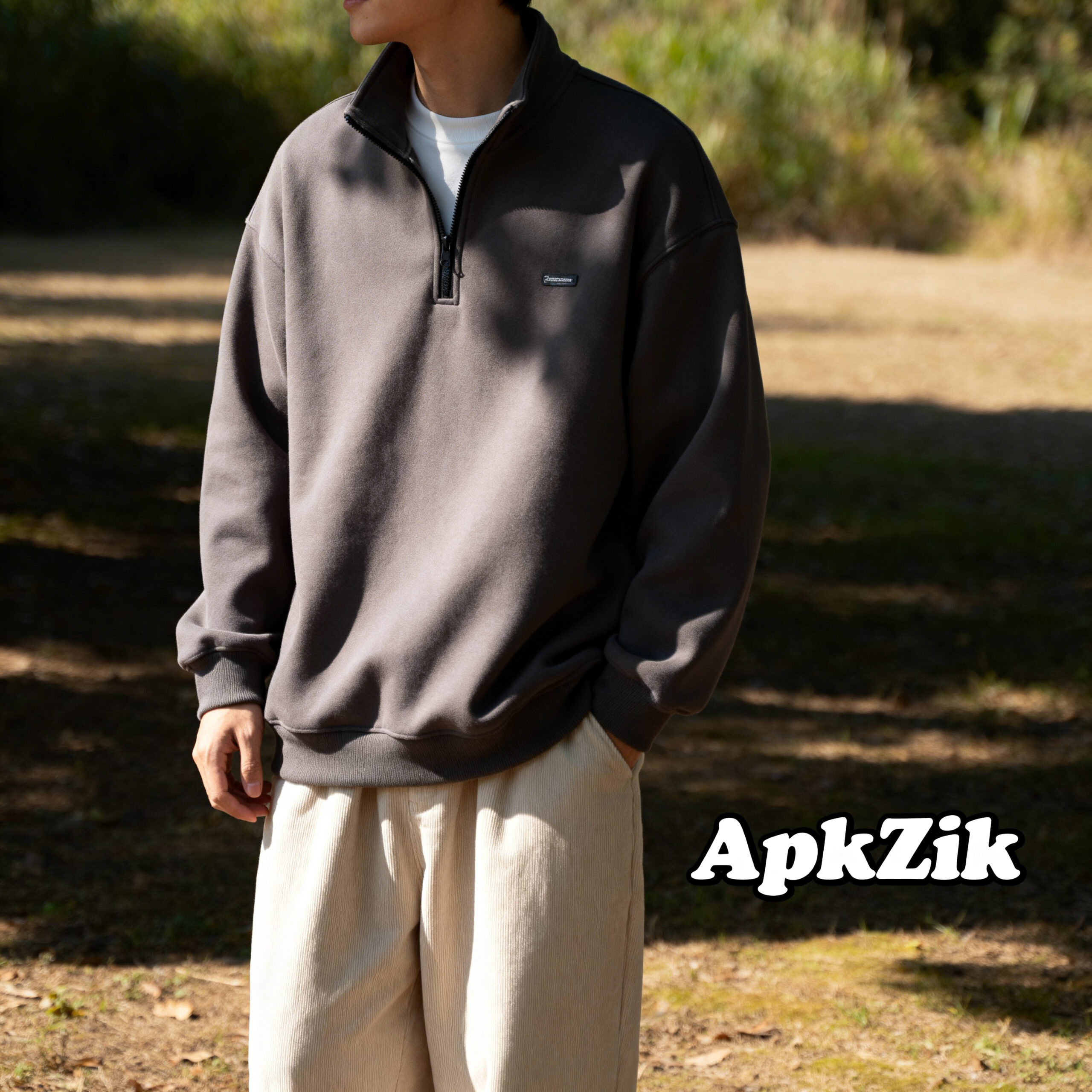
Daily Wear Fashion That Photographs Well
In today’s image-driven world, what we wear daily often ends up on camera—whether it’s a casual selfie, a family photo, a video call, or a quick street snapshot. Daily wear fashion that photographs well is no longer about dressing up for special occasions only. It’s about choosing simple, comfortable outfits that naturally look polished, balanced,…
In today’s image-driven world, what we wear daily often ends up on camera—whether it’s a casual selfie, a family photo, a video call, or a quick street snapshot. Daily wear fashion that photographs well is no longer about dressing up for special occasions only. It’s about choosing simple, comfortable outfits that naturally look polished, balanced, and flattering in photos.
Modern lifestyle blends work, home, and social moments seamlessly. The clothes you wear every day should reflect that balance—easy to wear, easy to style, and visually appealing on camera without effort. This guide breaks down how to build everyday outfits that look great in real life and even better in photographs, using smart choices, timeless ideas, and budget-friendly tips anyone can apply.
Why Some Daily Outfits Look Better in Photos
Have you ever noticed how some simple outfits always look “right” in pictures, while others don’t—despite being comfortable? Photography highlights details we often miss in the mirror. Colors, textures, proportions, and even fabric behavior all matter.
Outfits that photograph well usually have:
-
Clean color balance
-
Simple shapes and lines
-
Comfortable but structured fits
-
Thoughtful details without clutter
Understanding these basics helps you dress confidently for everyday moments without overthinking style.
Choosing Colors That Work on Camera
Color plays a huge role in how outfits appear in photos. Some shades reflect light beautifully, while others absorb it and look flat.
Neutral tones as everyday heroes
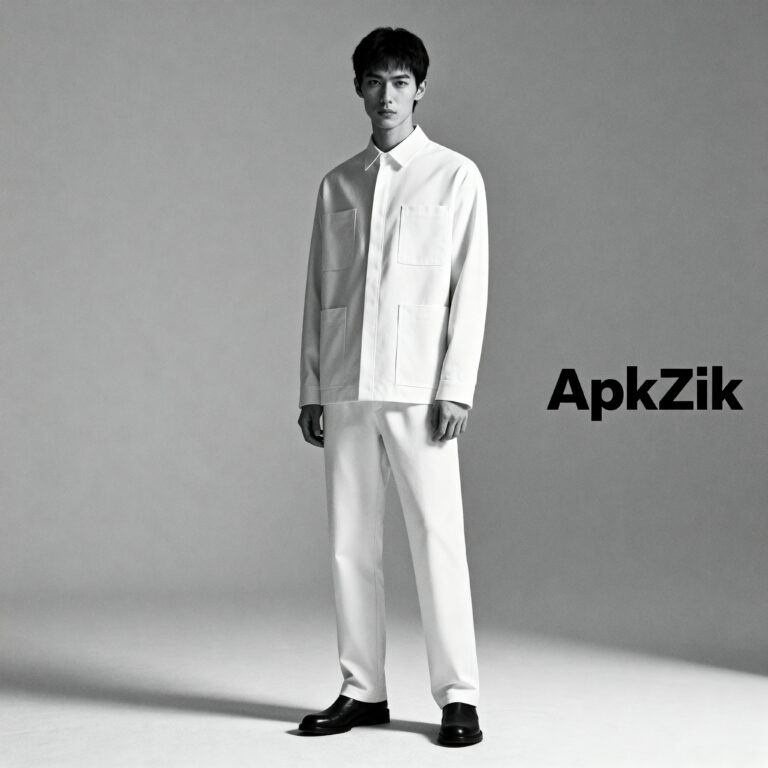
Neutral colors are reliable and timeless. Shades like beige, soft grey, navy, white, olive, and muted browns photograph cleanly in most lighting.
Why they work:
-
They don’t overpower the frame
-
They complement skin tones
-
They blend well with different backgrounds
Neutrals also make it easier to repeat outfits without them looking “the same” in photos.
Soft colors over loud shades
Bright colors can be fun, but very bold shades often dominate photos. Softer versions—dusty pinks, muted blues, sage green—look calm and balanced.
Tip: If you love bold colors, keep them in smaller elements like scarves, bags, or shoes.
Fabrics That Look Good All Day
Daily wear fashion that photographs well depends heavily on fabric choice. Some materials hold their shape and texture better throughout the day.
Go for natural-looking textures
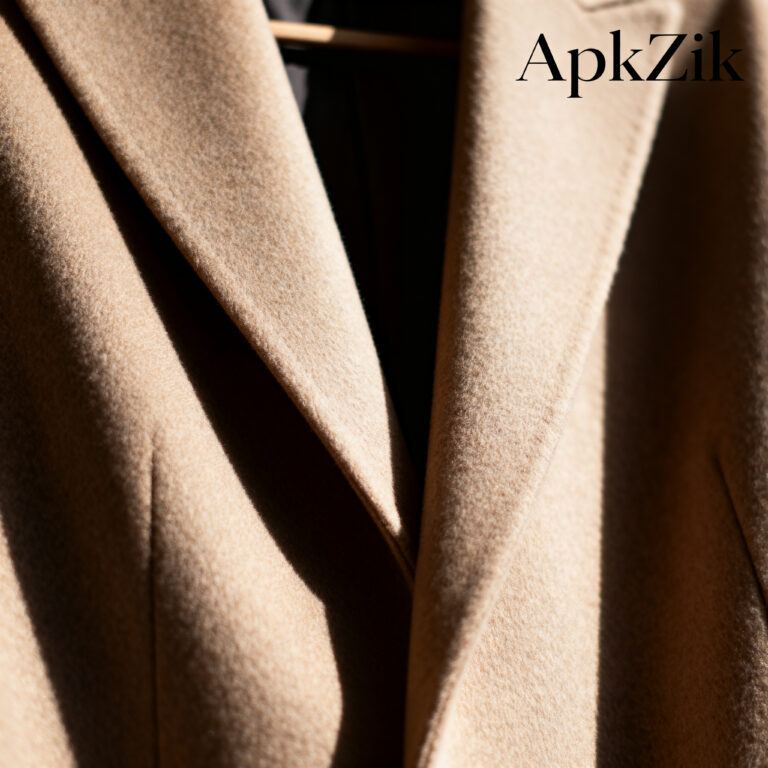
Cotton blends, linen, light wool, and soft knits age better through daily movement. They crease naturally and reflect light softly.
Avoid fabrics that:
-
Wrinkle excessively within minutes
-
Stick tightly to the body
-
Shine too much under light
Why this matters: Cameras catch fabric flaws quickly, especially in natural daylight.
Matte finishes over shiny ones
Matte fabrics reduce glare and uneven highlights in photos. This keeps outfits looking calm and premium instead of distracting.
Fit Matters More Than Trend
No trend can save a poorly fitted outfit. Fit is the quiet secret behind clothes that photograph beautifully.
Comfortable structure is key
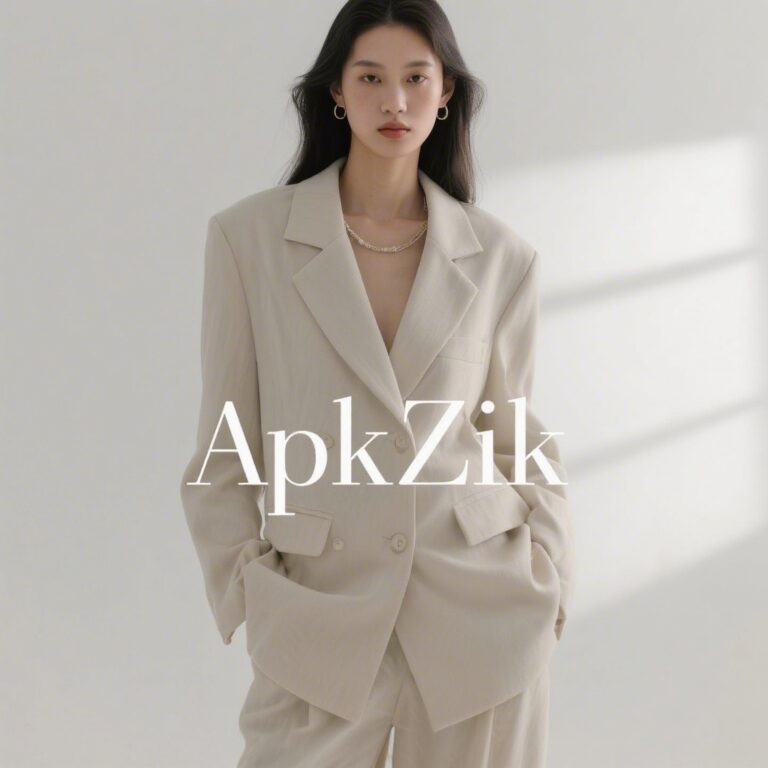
Daily wear should feel relaxed but still hold shape. Think straight-cut trousers, softly tailored shirts, relaxed blazers, and dresses that skim the body.
Why it works:
-
Defines your silhouette naturally
-
Avoids bulk or sagging in photos
-
Looks intentional without trying hard
Tailoring on a budget
Simple alterations can transform inexpensive clothing. Adjusting sleeve length, pant hems, or waist fit often costs less than buying new items—and makes a huge visual difference.
Patterns and Prints: Keep Them Camera-Friendly
Patterns add personality, but not all of them behave well in photos.
Simple patterns over busy prints
Stripes, small checks, subtle florals, and textured weaves work better than large, chaotic prints.
Avoid:
-
Very thin stripes that create visual distortion
-
Overly detailed graphics
-
Heavy logo-based designs
Why this matters: Cameras simplify visuals, and busy patterns can look messy or distracting.
Everyday Outfit Ideas That Always Photograph Well
You don’t need a large wardrobe to look good in photos. A few reliable outfit formulas go a long way.
Casual daily looks
-
Neutral t-shirt with straight-leg jeans
-
Soft knit top with relaxed trousers
-
Linen shirt with chinos or skirts
These combinations feel natural, effortless, and photograph cleanly in both indoor and outdoor settings.
Work-from-home or casual meetings
-
Button-down shirt with minimal pattern
-
Solid-color tops with clean necklines
-
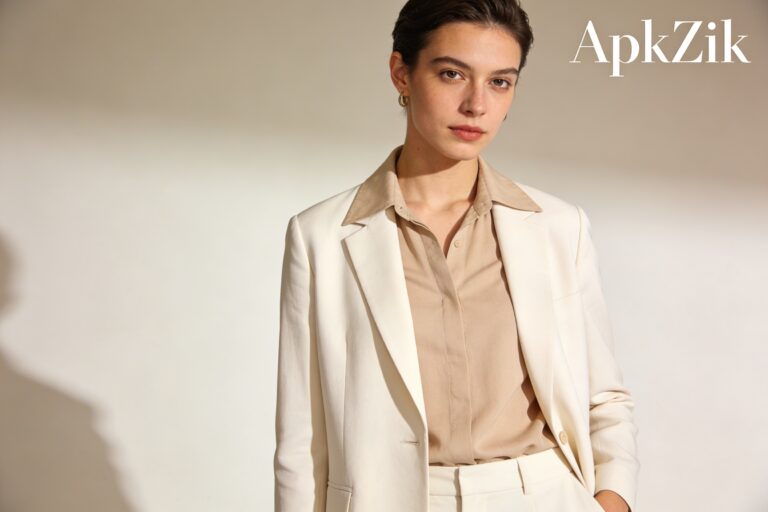
Light layering using cardigans or soft jackets
They frame the face well and look polished on camera without feeling stiff.
Layering Without Looking Bulky
Layering adds depth to outfits, which cameras love—but only when done right.
Light layers create dimension
Use thin jackets, open shirts, or scarves to add vertical lines. This elongates the body and adds interest.
Why it works:
-
Breaks flat visuals
-
Adds structure
-
Makes outfits feel styled, not random
Avoid heavy layering that adds unnecessary volume.
Accessories That Elevate Daily Photos
Accessories should support the outfit, not steal attention.
Keep it minimal and intentional
-
Small hoops or studs
-
Simple watches
-
Structured bags
-
Neutral footwear
Why this matters: Accessories often sit close to the face or hands, areas that draw focus in photos.
Grooming completes the look
Neat hair, clean shoes, and wrinkle-free clothes matter more than expensive items. A well-groomed appearance instantly makes daily wear fashion that photographs well look premium.
Common Mistakes to Avoid
Even stylish people fall into these traps when dressing for everyday photos:
-
Wearing all loose or all tight pieces together
-
Choosing shiny fabrics under strong light
-
Ignoring background color clashes
-
Over-accessorizing simple outfits
Fixing these small mistakes instantly improves how outfits appear on camera.
Modern Trends That Still Feel Timeless
Trends come and go, but some modern styles blend perfectly with everyday photography.
-
Earth-tone outfits
-
Minimalist silhouettes
-
Relaxed tailoring
-
Clean sneakers with structured clothing
These trends feel current without aging photos too quickly.
Dressing for Real Life, Not Just the Camera
The goal isn’t to dress for photos, but to dress in a way that feels natural when photos happen. Comfortable clothes create relaxed posture and confident expressions—both essential for good pictures.
Daily wear fashion that photographs well supports your lifestyle instead of controlling it.
Conclusion
Daily wear fashion that photographs well is about balance—comfort, simplicity, and thoughtful choices. By focusing on flattering colors, camera-friendly fabrics, good fit, and minimal styling, you can create outfits that look natural, modern, and visually pleasing in every photo.
You don’t need a perfect body, expensive wardrobe, or professional setup. With mindful selections and small adjustments, your everyday outfits can tell a stylish, confident story—both on camera and in real life. Try these ideas at home, mix what you already own, and notice how effortlessly your daily style starts shining in photos.
FAQs
Do I need special clothes to look good in photos?
No. Simple, well-fitted everyday clothes usually photograph better than trendy or heavy outfits.
Which colors should I avoid for daily photos?
Very bright neons, heavy black under harsh light, and overly shiny fabrics can be tricky.
Can budget clothes look good on camera?
Absolutely. Fit, fabric choice, and styling matter far more than price.
How do I look natural in everyday photos?
Wear comfortable clothes you feel confident in. Relaxed posture always looks better on camera.