How Light Transforms Urban Locations
Light has the remarkable ability to change the way we experience cities. From the soft glow of sunrise spilling across skyscrapers to the dramatic shadows cast by alleyways at dusk, urban lighting shapes mood, perspective, and even perception of space. Understanding how light interacts with architecture, streets, and public spaces can make city living, photography,…
Light has the remarkable ability to change the way we experience cities. From the soft glow of sunrise spilling across skyscrapers to the dramatic shadows cast by alleyways at dusk, urban lighting shapes mood, perspective, and even perception of space. Understanding how light interacts with architecture, streets, and public spaces can make city living, photography, or simple walks feel magical. This guide explores how natural and artificial light transforms urban locations, offering practical tips and insights for both beginners and lifestyle enthusiasts.
Why Light Matters in Urban Spaces
Cities are more than buildings and streets—they are living, breathing environments. Light in urban settings:
-
Highlights architecture: Sunlight and streetlights reveal textures, shapes, and structural beauty.
-
Creates mood: A glowing skyline can feel romantic, while shadows in narrow streets can evoke mystery.
-
Guides perception: Proper lighting affects how safe, welcoming, or vibrant a location feels.
Even simple changes in light can transform ordinary streets, parks, or plazas into visually compelling scenes that draw people in.
The Power of Natural Light in Cities
Natural light is the most dynamic element in urban landscapes. Its intensity, angle, and color change throughout the day, creating endless visual possibilities.
Morning Light:
-
Soft, warm, and directional, ideal for highlighting textures of buildings.
-
Creates long shadows that give depth to flat surfaces.
-
Perfect for early morning photography in parks, boulevards, or riversides.
Midday Light:
-
Bright and intense, emphasizing clean lines and symmetry.
-
Can cause harsh shadows, so shaded areas or reflections on glass surfaces become visually interesting.
Golden Hour & Sunset:
-
Offers warm, soft tones that enhance color in facades and streets.
-
Adds an emotional, almost cinematic quality to urban photography and daily experiences.
Tip: Observing how sunlight hits different surfaces in your city can inspire creative walks, photography, or even outdoor design projects.
Artificial Light: Bringing Cities to Life at Night
Artificial lighting turns urban areas into lively, functional, and aesthetically pleasing spaces after dark.
Street and Pedestrian Lighting:
-
Provides safety while defining streetscapes.
-
Can create rhythm and structure through repeating patterns of lamps or fixtures.
Architectural Lighting:
-
Illuminates historic landmarks or modern buildings.
-
Highlights textures, shapes, and details that may be invisible during the day.
Creative and Decorative Lighting:
-
Neon signs, LED installations, and color-changing lights add vibrancy and personality.
-
Seasonal or themed lighting enhances urban experiences, making locations feel festive or unique.
Tip: Combining layers of artificial light—ambient, accent, and task lighting—produces the most dynamic and welcoming city environments.
How Light Shapes Urban Photography
For photographers, light is one of the most important tools to transform ordinary cityscapes into stunning visuals.
Shadows and Contrast:
-
Deep shadows add drama and dimension to streets, alleyways, and bridges.
-
Use reflections from windows, puddles, or polished surfaces to amplify light effects.
Perspective and Depth:
-
Low-angle light creates elongated shadows that guide the eye through a photo.
-
Side lighting emphasizes textures on walls, paving, and sculptures.
Color Temperature:
-
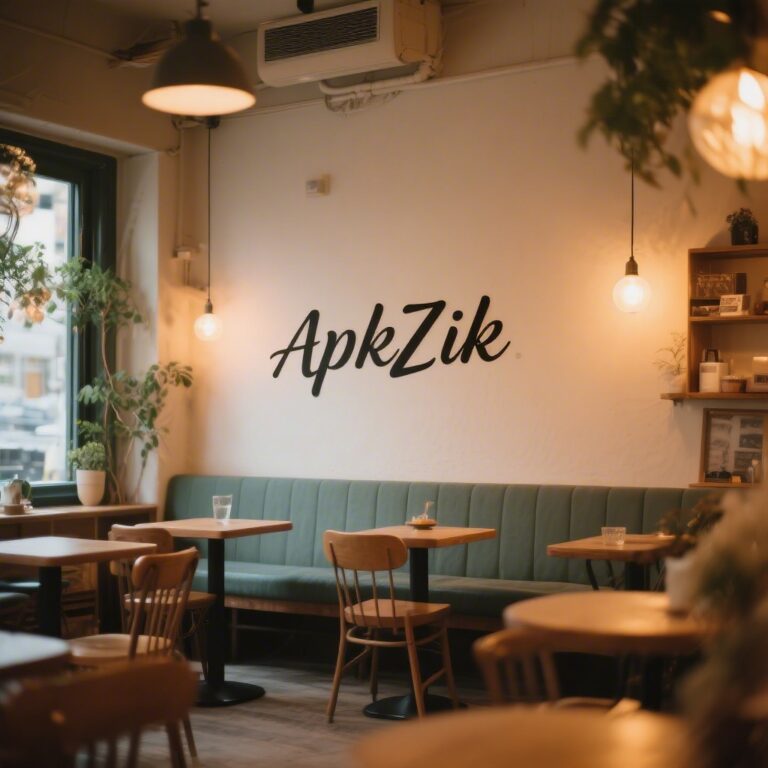
Warm tones feel inviting and cozy, ideal for cafés, marketplaces, or public plazas.
-
Cool tones can suggest modernity and sleekness, perfect for corporate districts or urban nightscapes.
Practical Tip: Even smartphone photography can capture beautiful urban light moments. Look for contrasts, reflections, and light gradients to make images feel professional.
Everyday Ways to Observe and Use Light in Your City
Even if you’re not a photographer or designer, paying attention to light can transform your daily experience.
-
Morning walks: Notice how sunlight hits buildings and streets; small changes in angle create new patterns every day.
-
Evening commutes: Observe how artificial lights define paths, highlight textures, and create mood.
-
Public spaces: Look at parks, plazas, or monuments to see how lighting affects usability and atmosphere.
Small observations can inspire creativity in art, photography, or even home décor—mirroring urban light effects indoors.
Budget-Friendly Tips for Engaging With Urban Light
You don’t need professional equipment to enjoy or capture urban lighting:
-
Reflective surfaces: Windows, water puddles, or polished streets can naturally amplify light.
-
DIY lens filters: Transparent plastic or glass can diffuse or soften sunlight for creative photography.
-
Portable lights: Small LED lights can mimic streetlights or highlight architectural details for personal projects.
-
Timing: Simply being at the right place during golden hour or blue hour transforms ordinary streets.
Tip: Paying attention to how light interacts with surfaces, colors, and textures often produces more compelling results than expensive gear.
Common Mistakes to Avoid
Even with awareness, beginners often overlook simple factors:
-
Ignoring shadows: Harsh or misplaced shadows can distract rather than enhance.
-
Overexposure: Too much bright light washes out textures and colors.
-
Monotonous angles: Shooting only from eye level can make cityscapes flat.
-
Neglecting reflections: Puddles, glass, and metallic surfaces can add depth if used creatively.
Observing and experimenting with light in different conditions helps avoid these mistakes and builds a stronger visual sense of urban environments.
Modern Trends in Urban Light Design
Cities around the world are embracing innovative lighting to improve aesthetics, safety, and sustainability:
-
LED and smart lighting: Adjustable brightness and colors create dynamic urban experiences.
-
Interactive installations: Lights respond to motion, sound, or weather, encouraging public engagement.
-
Energy-efficient solutions: Solar-powered lamps or low-energy LEDs balance beauty and sustainability.
-
Layered lighting: Combining street, accent, and decorative lights produces depth and mood.
Tip: Modern trends focus on enhancing both functionality and experience, proving that light is as much about usability as it is about beauty.
Conclusion
Light transforms urban locations in ways that go beyond mere visibility. It shapes moods, emphasizes architecture, guides perception, and brings life to streets and public spaces. By observing how natural and artificial light interacts with the city, anyone can appreciate, photograph, or even creatively mimic these effects.
Whether you are a photographer, designer, or simply a city dweller, paying attention to light opens a new perspective on urban life. From golden hour walks to evening cityscapes, understanding and leveraging light can turn ordinary urban experiences into moments of beauty, inspiration, and creativity.
FAQs
1. How does light affect the perception of safety in cities?
Properly lit streets and public areas feel safer because shadows are minimized and pathways are clearly visible.
2. Can small budget projects enhance urban light experiences?
Yes, using reflective surfaces, portable lights, or observing golden hour can significantly enhance personal engagement with urban spaces.
3. What is the best time to explore urban lighting for photography?
Golden hour (early morning or late afternoon) and blue hour (just after sunset) provide rich, soft, and cinematic light.
4. How can I use urban lighting ideas at home?
Layer ambient, accent, and decorative lights indoors to mimic outdoor urban experiences for mood and aesthetics.
5. Why do reflections matter in urban light observation?
Reflections amplify and redirect light, adding depth, color, and dynamic interest to streets and architecture.