




Introduction
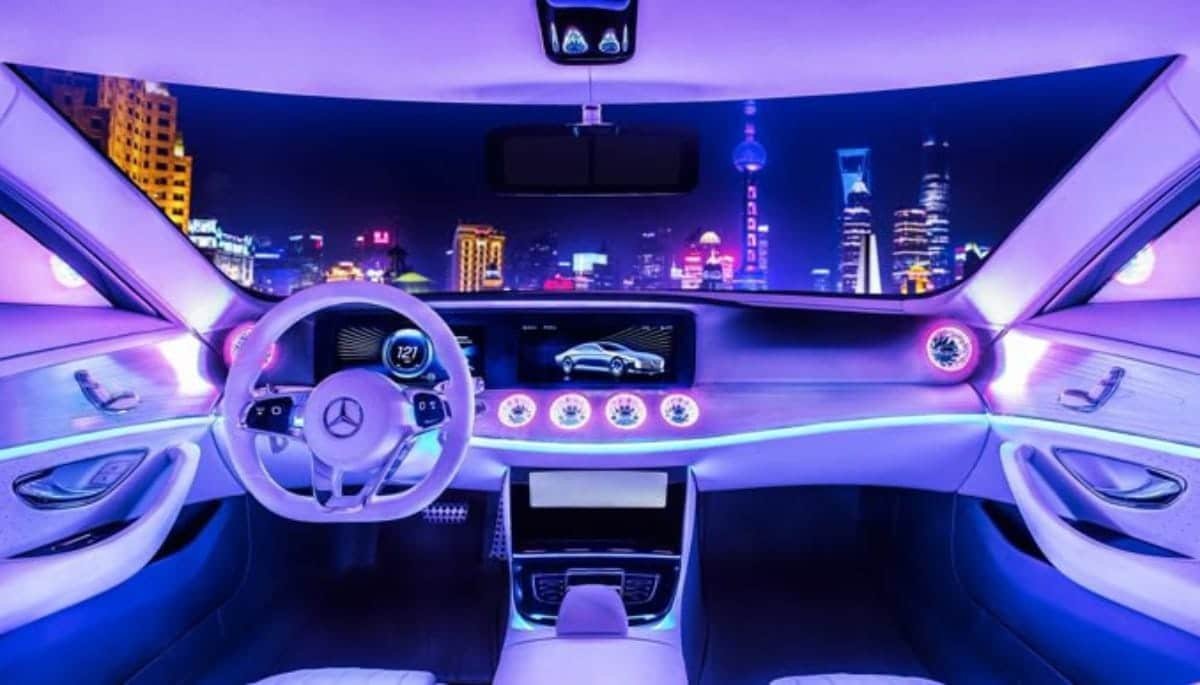
Electric vehicles (EVs) are known for their quiet, smooth rides. But what if you could turn your EV into a rolling concert hall? With the right EV sound system upgrades, you can enjoy crystal-clear music, powerful bass, and an immersive audio experience. Whether you’re a music lover or just want to enhance your driving experience, this guide will show you the best ways to upgrade your EV’s sound system.
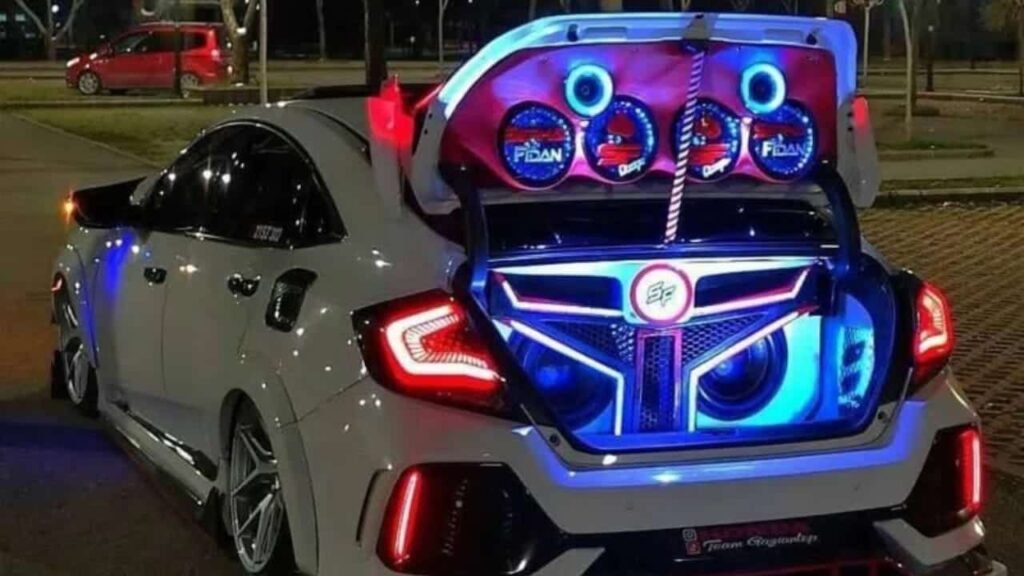
Why Upgrade Your EV Sound System?
EVs are quieter than traditional gas-powered cars, which means you can hear every detail of your music. But the factory-installed sound systems in many EVs don’t always deliver the best audio quality.
- Better Sound Quality: Factory systems often lack depth and clarity. Upgrading gives you richer bass, clearer vocals, and a more balanced sound.
- Personalized Experience: Customize your audio settings to match your music preferences.
- Increased Resale Value: A high-quality sound system can make your EV more attractive to buyers.
- Immersive Experience: Feel like you’re at a live concert or in a movie theater while driving.
Top EV Sound System Upgrades
Here are the best upgrades to transform your EV’s audio experience:
1. Premium Speakers
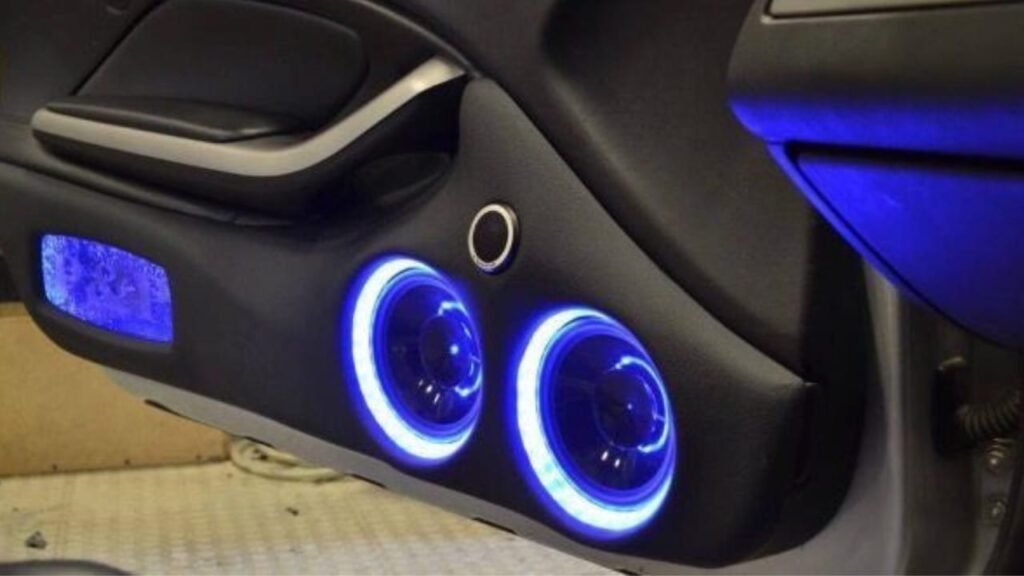
Factory speakers are often basic and don’t deliver the best sound. Upgrading to premium speakers can make a huge difference. Look for brands like Bose, JBL, or Harman Kardon.
Example: John, a Tesla Model 3 owner, upgraded his factory speakers to the Bose Premium Sound System. He says, “The difference is night and day. The music sounds so much clearer, and I can hear every instrument in my favorite songs.”
2. Subwoofers for Deep Bass
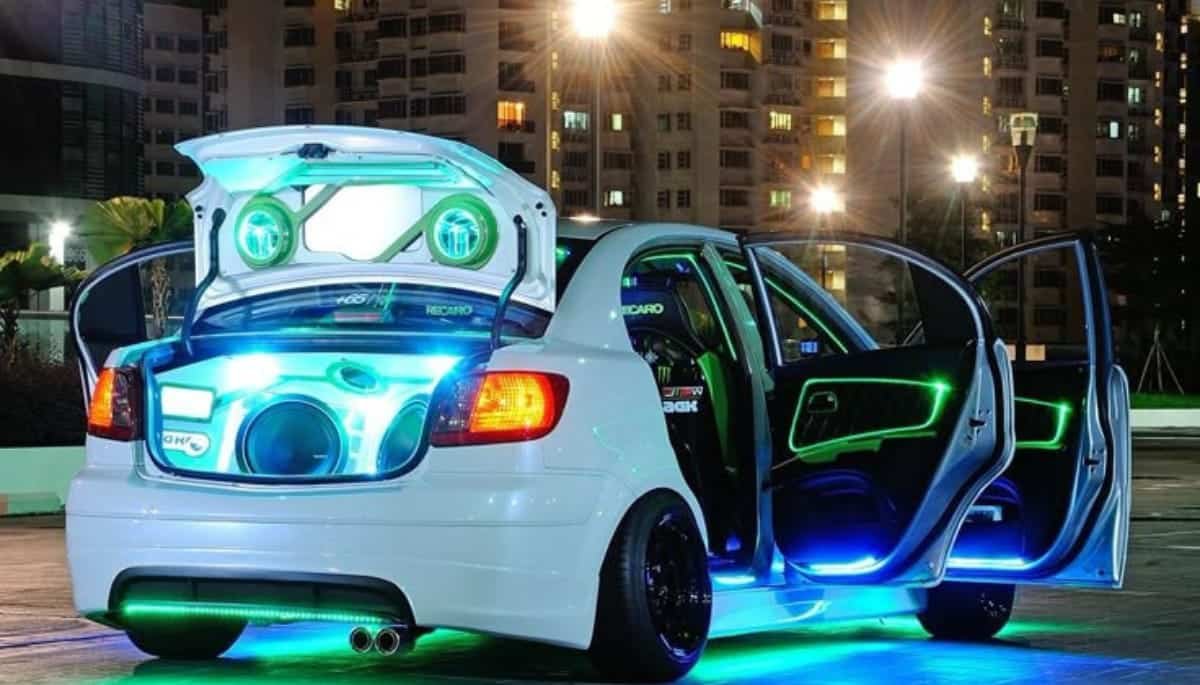
If you love bass-heavy music like hip-hop or EDM, a subwoofer is a must. It adds depth and power to your music, making it feel like you’re at a live concert.
Example: Sarah, a music producer, installed the Rockford Fosgate P300-12 subwoofer in her Nissan Leaf. “It’s like having a mini club in my car. The bass is incredible, and it makes my commute so much more fun,” she says.
3. Amplifiers for Clearer Sound
An amplifier boosts the power of your sound system, making it louder and clearer. It’s especially useful if you’re adding new speakers or a subwoofer.
Example: Mike, an audiophile, added the JL Audio JD400/4 amplifier to his Chevy Bolt. “The sound is so much richer now. It’s like I’m hearing my favorite songs for the first time,” he shares.
4. Soundproofing for Better Acoustics
EVs are already quiet, but adding soundproofing materials can further reduce road noise and improve sound quality.
Example: Emily, a frequent road-tripper, used Dynamat to soundproof her Hyundai Kona EV. “The cabin is so quiet now, and the music sounds amazing. It’s like I’m in my own little bubble,” she explains.
Comparison Table: Best EV Sound System Upgrades
| Upgrade | Best For | Example Product | Price Range |
|---|---|---|---|
| Premium Speakers | Clear vocals and balanced sound | Bose Premium Sound System | $200-$500 |
| Subwoofers | Deep bass for music lovers | Rockford Fosgate P300-12 | $150-$400 |
| Amplifiers | Louder, clearer sound | JL Audio JD400/4 | $200-$600 |
| Soundproofing | Reduced noise, better acoustics | Dynamat Soundproofing | $50-$200 |
How to Choose the Right EV Sound System
Not all sound systems are created equal. Here’s how to pick the best one for your EV:
- Check Compatibility: Make sure the system works with your EV model.
- Set a Budget: Sound system upgrades can range from $200 to $2,000. Decide how much you’re willing to spend.
- Listen Before You Buy: If possible, test the system in person to see if you like the sound quality.
- Read Reviews: Look for customer reviews and ratings to find the best products.
DIY vs. Professional Installation
You can either install the sound system yourself or hire a professional. Here’s a quick comparison:
| Aspect | DIY Installation | Professional Installation |
|---|---|---|
| Cost | Cheaper | More expensive |
| Time | Takes longer | Faster |
| Skill Level | Requires technical knowledge | No skills needed |
| Warranty | May void warranty | Often comes with a warranty |
FAQs About EV Sound Systems
1. Can I upgrade the sound system in any EV?
Yes, most EVs can be upgraded. However, it’s important to check compatibility with your specific model.
2. How much does an EV sound system upgrade cost?
It depends on the upgrades you choose. A basic upgrade can cost around $200, while a high-end system can cost over $2,000.
3. Will upgrading my sound system void my EV’s warranty?
It might. Check your EV’s warranty terms before making any modifications.
4. What’s the best brand for EV sound systems?
Popular brands include Bose, JBL, Harman Kardon, and Rockford Fosgate.
5. Can I install the system myself?
Yes, if you have the technical skills. Otherwise, it’s best to hire a professional.
Conclusion
Upgrading your EV sound system is one of the best ways to enhance your driving experience. Whether you’re adding premium speakers, a powerful subwoofer, or soundproofing materials, these upgrades can turn your EV into a rolling concert hall. Follow this guide to choose the right upgrades and enjoy crystal-clear music on every drive.