How to Create Art Photos Without Editing
In today’s visually driven world, photos are everywhere. From social media feeds to home décor inspiration and personal memories, images shape how we see beauty. But not everyone wants to spend hours editing photos on apps or software. The good news is that truly artistic photos don’t always need editing. With the right approach, awareness,…
In today’s visually driven world, photos are everywhere. From social media feeds to home décor inspiration and personal memories, images shape how we see beauty. But not everyone wants to spend hours editing photos on apps or software. The good news is that truly artistic photos don’t always need editing. With the right approach, awareness, and a little creativity, you can capture art photos naturally—straight from the camera.
Creating art photos without editing is about learning to see light, space, and emotion before pressing the shutter. It’s a refreshing, honest way of photography that feels more personal and timeless. Whether you’re using a smartphone or a basic camera, these techniques will help you create images that already feel complete.
Understanding What Makes a Photo Feel Like Art
An art photo is not defined by filters or effects. It’s defined by feeling. Before thinking about technique, it helps to understand what visually moves people.
Art photos usually have at least one of these qualities:
-
A strong sense of mood or emotion
-
Simple but intentional composition
-
Interesting light or shadow
-
A clear subject that tells a story
When you focus on these elements while shooting, editing becomes optional instead of necessary.
Using Natural Light as Your Main Tool
Light is the most powerful ingredient in photography. Learning to use natural light correctly can instantly elevate your photos.
Soft daylight is your best friend. Morning and late afternoon light creates gentle shadows and warm tones that feel artistic and calm. This light naturally enhances skin tones, textures, and colors without needing correction.
Try these simple light habits:
-
Shoot near windows indoors instead of using ceiling lights
-
Avoid harsh midday sun that creates hard shadows
-
Turn off mixed light sources to keep colors clean
When light feels balanced and soft, the photo already looks finished.
Choosing the Right Location Without Overthinking
You don’t need dramatic locations to create art photos. Everyday spaces can be visually powerful when used intentionally.
A plain wall, a corner of your living room, or a quiet street can become a beautiful background. The key is simplicity. Busy backgrounds distract the eye and reduce impact.
Look for:
-
Neutral-colored walls
-
Clean spaces with minimal objects
-
Natural textures like wood, fabric, or concrete
When the background is calm, the subject naturally stands out without editing.
Composition That Feels Natural, Not Forced
Good composition guides the viewer’s eye. Even without knowing photography rules, you can create balanced images by trusting your instincts.
A helpful approach is to avoid placing the subject exactly in the center every time. Leaving a little empty space around the subject often makes photos feel more artistic and modern.
Try these ideas:
-
Leave space on one side for breathing room
-
Use doorways, windows, or shadows to frame the subject
-
Let lines like walls or roads gently lead the eye
These small choices add visual interest without technical complexity.
Creating Mood Through Color and Styling
Color plays a huge role in how a photo feels. Before taking the photo, look at the colors already present in the scene.
Soft, muted tones often feel more artistic than loud, clashing colors. Coordinating clothing, props, or surroundings can make the photo feel intentional.
For example:
-
Neutral outfits against textured walls feel timeless
-
Earth tones work beautifully in natural light
-
Limiting colors to two or three keeps the image calm
When colors already work together, there’s no need to “fix” them later.
How to Create Art Photos Without Editing Using Perspective
Perspective can turn a simple subject into something visually striking. Changing where you stand is often more effective than editing later.
Instead of always shooting at eye level, experiment gently:
-
Shoot slightly from above for softness
-
Shoot from the side to create depth
-
Step back and include negative space
These perspective shifts add emotion and storytelling naturally.
Letting Imperfection Add Character
One of the biggest mistakes beginners make is trying to capture “perfect” photos. Art photos often feel special because they include real moments.
A little blur, uneven hair, or imperfect light can add authenticity. These details make images feel human rather than manufactured.
Instead of correcting everything, ask:
Does this moment feel real?
Does it communicate something honest?
If the answer is yes, editing becomes unnecessary.
Using Shadows as a Creative Element
Shadows are often avoided, but they can add drama and depth when used intentionally.
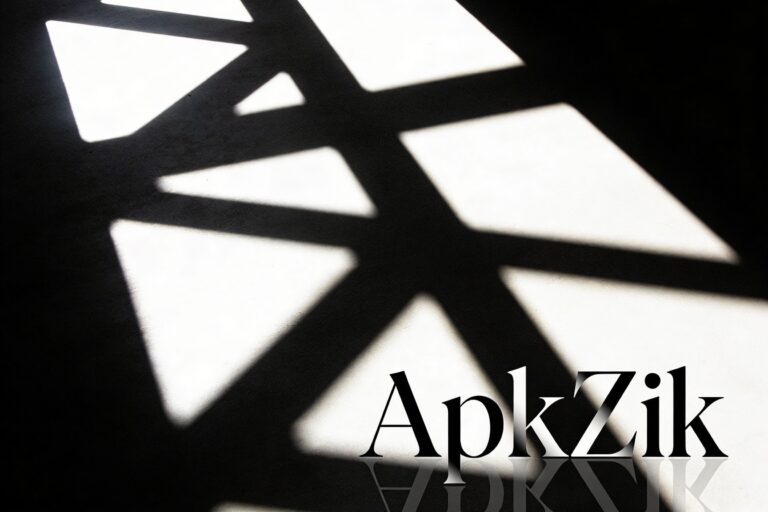
Soft shadows from window frames, curtains, or plants can create natural patterns. These patterns make photos feel artistic and layered.
To use shadows effectively:
-
Place your subject near indirect light
-
Let shadows fall naturally across walls or faces
-
Avoid harsh, sharp-edged shadows unless going for drama
Shadows give photos a painterly quality without digital effects.
Everyday Objects as Artistic Subjects
Art photography doesn’t require special models or expensive props. Ordinary objects can become art when photographed thoughtfully.
Consider capturing:
-
A chair near a window
-
Morning light on a table
-
Hands holding a cup of tea
-
Fabric moving gently in air
These simple scenes often feel more emotional and artistic than posed shots.
Common Mistakes That Lead to Over-Editing
Many people rely on editing because of small mistakes made during shooting. Avoiding these issues saves time and preserves image quality.
Watch out for:
-
Shooting in very low light
-
Mixing warm and cool light sources
-
Overcrowded backgrounds
-
Rushing instead of observing the scene
When you slow down and prepare the shot, editing becomes optional.
Modern Trends That Support No-Edit Photography
Minimalism, natural living, and authenticity are shaping modern visual culture. These trends favor real light and honest moments over heavy editing.
Popular no-edit styles include:
-
Soft lifestyle photography
-
Minimal interior scenes
-
Documentary-style portraits
-
Natural home and urban views
These styles age well and feel calm, making them perfect for art photos without editing.
How to Create Art Photos Without Editing at Home
Your home is one of the best places to practice. It’s familiar, comfortable, and full of potential.
Start small:
-
Observe how light changes during the day
-
Rearrange furniture slightly for better flow
-
Shoot from corners instead of straight-on
Over time, you’ll train your eye to notice beauty before taking the photo.
Why This Approach Feels More Fulfilling
When you rely less on editing, photography becomes more mindful. You connect more deeply with your surroundings and moments.
This approach:
-
Builds confidence in your visual instincts
-
Saves time and effort
-
Creates more honest, timeless images
It’s not about rejecting editing—it’s about not depending on it.
Conclusion
Learning how to create art photos without editing is about seeing, not fixing. By understanding light, composition, mood, and simplicity, you can capture images that already feel complete. Natural light, clean backgrounds, thoughtful perspective, and real moments do most of the work for you.
This approach makes photography more enjoyable and personal. Instead of correcting mistakes later, you start creating with intention from the beginning. Whether you’re photographing your home, your lifestyle, or everyday moments, these ideas help you create meaningful art photos that stand on their own.
Pick up your camera or phone, slow down, and try these techniques today. You may be surprised how little editing you actually need.
FAQs
Can I really create art photos without any editing at all?
Yes. When light, composition, and mood are right, editing becomes optional rather than necessary.
Do I need a professional camera for no-edit photography?
Not at all. Smartphones and basic cameras work perfectly with good light and thoughtful framing.
What is the best time of day to shoot without editing?
Early morning and late afternoon offer the most flattering natural light.
Why do my photos look dull without filters?
Often it’s due to flat lighting or busy backgrounds. Fixing those at the shooting stage makes a big difference.